Developer says it can't afford promised £350K payment for community
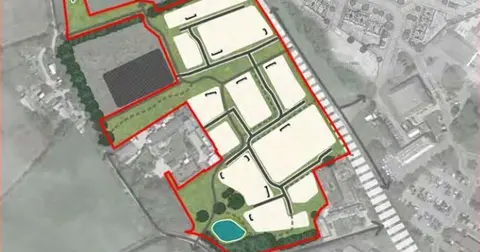
It would make more than £2 million profit on the Cornish development, even with paying the infrastructure costs - but that 'remains below the typical profit level' A major developer whose parent company reported a pre-tax profit of £13.5 million last year says it wants to pull out of a near £350,000 payment for the local community for a large development in Cornwall - saying that paying it would make the project unviable. Wainhomes South West was granted planning permission for the Pandarosa Barns scheme in Bodmin in March. Located on land opposite Bodmin Hospital, the development comprises of 58 houses to be sold on the open market. It was already given permission not to include affordable homes - which would normally be required at up to 35 per cent - due to the nearly £350,000 infrastructure contribution.
This is a levy which is required by law as part of planning permissions to help fund local needs such as education, transport and health. As a condition of the planning permission from Cornwall Council, it was agreed as part of a Section 106 agreement that Wainhomes would be required to pay the £348,798 towards infrastructure in the area. This comprises of £158,053 for the provision of education facilities, £22,520 for health care facilities, £161,749 for the provision of transport facilities and a planning administration fee of £4,476. But just weeks into construction, the developer has now applied to remove these payments towards the infrastructure from its commitments, saying these obligations would make the scheme unviable.
A viability assessment was submitted as part of the latest planning application to the council to remove the condition, in which it states in the 'viability conclusion' that if the developer were to pay the obligations, the developer's profit would be around £2,052,791. It states this "remains below the level typically required to support development of this nature". Instead, it proposes that without the obligations, the profit would be more like £2,473,457, which it says still remains below that typical level. It states: "the removal of the Section 106 obligations does materially improve the financial viability".
Application PA26/04559 was validated on Monday, July 27, and is awaiting decision.