How Hormones Affect Your Workouts After 50 - Blog By Donna
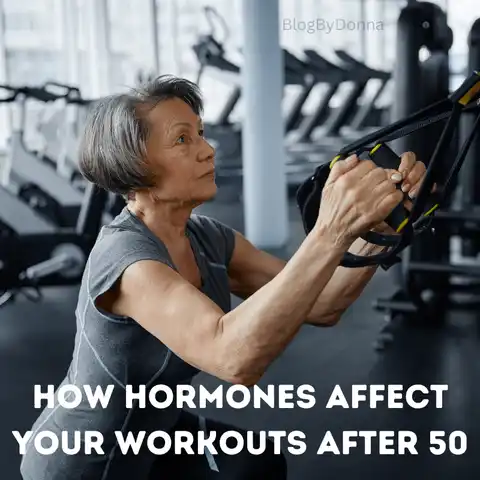
How Hormones Affect Your Workouts After 50 If your workouts after 50 feel different from how they used to, you're not imagining it. Maybe you're not seeing the same results, your energy levels fluctuate more, or recovery takes longer than it once did. While it's easy to assume it's just "getting older," there's a more specific reason behind these changes: hormones. As women move through their 40s and 50s, hormonal shifts, especially related to estrogen, progesterone, and even testosterone, can significantly impact how the body responds to exercise.
The good news? Once you understand what's happening, you can adjust your workouts after 50 to work with your body instead of against it. The Role of Hormones in Your Body Hormones act like messengers, regulating everything from metabolism and energy to muscle growth and recovery. After 50, the most noticeable hormonal change for women is the decline in estrogen, particularly during and after menopause.
Estrogen isn't just about reproductive health, it plays a key role in: * Muscle maintenance * Bone density * Fat distribution * Energy levels As estrogen levels drop, these areas are directly affected, which is why workouts after 50 may require a different approach than they did in your 20s or 30s. Why Strength Training Becomes Essential One of the biggest shifts caused by hormonal changes is a gradual loss of muscle mass, also known as age-related muscle decline. Lower estrogen levels can accelerate this process, making strength training more important than ever. If your workouts after 50 are still focused mostly on cardio, it might be time to rethink your routine.
Strength training helps: * Preserve and build muscle * Support metabolism * Improve bone density * Enhance overall strength and balance The goal isn't to lift the heaviest weights possible; it's consistency. Even moderate resistance training a few times a week can make a noticeable difference. Metabolism Changes (And What That Means) Hormonal changes can also slow down metabolism, which is why many women notice weight gain, especially around the midsection, during this stage of life. This doesn't mean your workouts after 50 aren't working.
It just means your body is responding differently. Instead of focusing only on burning calories, it's more effective to focus on: * Building muscle (which naturally boosts metabolism) * Incorporating a mix of strength and cardio * Staying consistent rather than extreme Quick fixes and overly intense workout plans often backfire, especially when hormones are already in flux. Energy Levels and Workout Timing Another common effect of hormonal shifts is fluctuating energy levels. You might feel great one day and completely drained the next.
This is where flexibility becomes key in your workouts after 50. Instead of forcing yourself into a rigid schedule: * Pay attention to when you feel most energized * Adjust the intensity of your workouts based on how you feel * Allow for rest days when needed Some days might be better for strength training, while others are better suited for walking, stretching, or lighter movement. Listening to your body becomes one of your most valuable tools. Recovery Takes Longer If you've noticed that soreness lingers longer than it used to, hormones are likely part of the reason.
Lower estrogen levels can impact muscle repair and recovery time. This means workouts after 50 should include just as much focus on recovery as they do on the workout itself. Prioritize: * Rest days between intense sessions * Gentle movement like walking or yoga on off days * Proper hydration and nutrition Pushing through constant fatigue or soreness can lead to injury, which only sets you back further. The Connection Between Hormones and Joint Health Hormonal changes can also affect joint health, making stiffness or discomfort more common.
This can make certain high-impact workouts feel less appealing, or even painful. That doesn't mean you have to stop exercising. It just means adjusting your workouts after 50 to include more joint-friendly options. Consider: * Low-impact cardio like walking, swimming, or cycling * Mobility and flexibility exercises * Proper warm-ups before workouts These small changes can help you stay active without unnecessary strain.
Stress, Cortisol, and Overtraining Another hormone that plays a role in your workouts after 50 is cortisol, the body's primary stress hormone. As your body becomes more sensitive to stress, overly intense workouts (especially when combined with lack of sleep or high daily stress) can actually work against you. Elevated cortisol levels can lead to fatigue, stubborn weight gain, and slower recovery. This doesn't mean you should avoid challenging workouts altogether.
It just means balance matters. Mix higher-intensity workouts with: * Lower-intensity movement * Rest days * Activities that help reduce stress Your body will respond better to a balanced approach than to constant overexertion. Nutrition Plays a Bigger Role As hormones shift, nutrition becomes even more important in supporting your workouts after 50. Your body may need more protein to maintain muscle and more nutrients to support recovery.
Simple adjustments can make a big difference: * Prioritize protein in your meals * Stay hydrated * Eat balanced meals that support energy levels What you eat directly affects how you feel during and after your workouts. It's Not About Doing More, It's About Doing What Works One of the biggest mindset shifts for workouts after 50 is realizing that more isn't always better. You don't need longer workouts, harder routines, or extreme plans. What you need is consistency, balance, and a routine that supports your body as it is now.
That might mean: * Shorter, more effective workouts * More recovery time * A mix of strength, cardio, and flexibility The goal isn't to work against hormonal changes; it's to adapt to them. Hormonal changes are a natural part of aging, but they don't have to limit your fitness. In fact, they can be the reason you approach your workouts after 50 in a smarter, more sustainable way. By understanding how hormones affect your body, you can adjust your routine to better support your strength, energy, and overall well-being.
Because at this stage, fitness isn't just about how you look, it's about how you feel, how you move, and how well your body supports you in everyday life.