The 9-Year Advantage: How High-Intensity Exercise Shields Your DNA from Aging
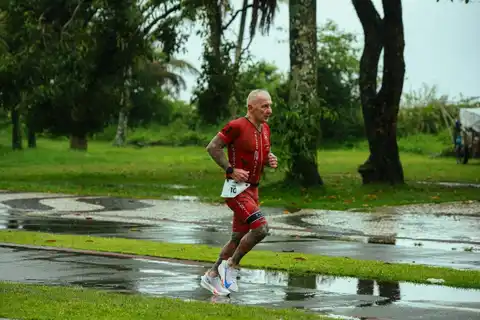
The 9-Year Advantage: How High-Intensity Exercise Shields Your DNA from Aging In my clinical experience -- spanning the vibrant communities of the Philippines to the active retirement hubs of Spain -- I have seen that the most common question patients ask is not how to live longer, but how to stay younger. We have spent decades looking for the "Fountain of Youth" in expensive creams and cosmetic procedures, but as we move further into 2026, the science of Geroscience has shifted our focus from the mirror to the microscopic structures inside our cells. Research led by Professor Larry Tucker at Brigham Young University (BYU) has uncovered a profound truth: while we cannot stop chronological time, we have significant control over our biological clock. The study reveals that individuals who maintain a high level of physical activity can effectively reduce their cellular aging by nine years compared to those who are sedentary.
This isn't just about feeling "fit"; it's about the structural integrity of your DNA. 1. The Shoelaces of Life: Understanding Telomeres and the Biological Clock To understand how exercise protects us, we must first understand telomeres. Every cell in your body contains chromosomes, which carry your genetic information.
At the very ends of these chromosomes are protein end-caps called telomeres. The Biological Countdown Think of telomeres like the plastic tips on the ends of shoelaces. Their job is to prevent the "lace" (your DNA) from fraying or sticking to other chromosomes. Every time a cell replicates to repair tissue or grow, it must copy its DNA.
However, the replication process is imperfect; each time the cell divides, a tiny portion of the telomere is lost. As we age, our telomeres become progressively shorter. When they reach a critically short length, the cell can no longer divide safely, and either dies or becomes a "zombie cell" (senescent cell), contributing to the Inflamm-aging process we discussed previously. The Measure of Attrition In the BYU study, researchers found that the shortest telomeres belonged to sedentary individuals.
These participants had 140 fewer base pairs of DNA at the ends of their telomeres compared to those who were highly active. In the world of molecular biology, those 140 base pairs represent nearly a decade of biological wear and tear. 2. The BYU Study: 5,800 Adults and the 9-Year Advantage Professor Larry Tucker analyzed a massive dataset from the National Health and Nutrition Examination Survey (NHANES), involving 5,823 adults.
This is a particularly robust study because it used real-world data to calculate 62 different types of physical activity over a 30-day window. The Results of the "Internal Clock" The study produced a clear hierarchy of cellular health based on activity levels: - Highly Active -- 9 years younger cellular age compared to sedentary individuals. - Moderately Active -- 2 years younger (not statistically significant). - Sedentary -- Baseline; oldest cellular age.
The most shocking finding was the gap between "moderate" and "high" activity. Many people believe that a casual stroll or light gardening is enough to keep them young. While those activities are excellent for cardiovascular health and mental well-being, the BYU study suggests they are insufficient to move the needle on telomere preservation. 3.
Why "Moderate" Isn't Enough: Crossing the Sweat Threshold In my practice of Geriatric Rehab, I often have to be "intellectually honest" with my patients: if you want the cellular protection of a younger person, you have to be willing to sweat. Professor Tucker's research indicated that there was no significant difference in telomere length between those with low or moderate activity and those who were completely sedentary. This suggests there is a "cellular threshold" -- a point of intensity required to trigger the body's deep repair mechanisms. Defining "Highly Active" To achieve the 9-year cellular advantage, participants had to meet a specific exercise "dose": - Women: 30 minutes of jogging/high-intensity exercise per day, 5 days a week.
- Men: 40 minutes of jogging/high-intensity exercise per day, 5 days a week. This level of activity creates a specific type of physiological stress. Unlike the "low-grade" stress of chronic disease, this "acute" exercise stress forces the body to upregulate its antioxidant defenses and anti-inflammatory pathways. 4.
The Mechanism: Oxidative Stress and Inflammation While the study confirmed the link between exercise and telomeres, the question remains: How does it actually work? Tucker and other geroscience experts believe the answer lies in the twin pillars of aging: Oxidative Stress and Chronic Inflammation. The Fire and the Rust - Oxidative Stress: This is the "biological rust" caused by reactive oxygen species (ROS). These molecules damage DNA and are known to accelerate telomere shortening.
- Inflammation (Inflamm-aging): Persistent, low-grade inflammation acts like a "slow fire" that consumes telomeres during the constant cellular turnover required to manage tissue damage. Consistent, high-level exercise has been shown to suppress these two factors over time. By keeping the "biological fire" under control and reducing the "rust," high-intensity movement preserves the length of your DNA end-caps, effectively slowing down the rate at which your biological clock ticks. 5.
Clinical Relevance: Sarcopenia, Diabetes, and Cellular Resilience As an internist, I look at telomere length as a marker of Systemic Resilience. If your cells are biologically "younger," your body is better equipped to handle the challenges of chronic disease. The Diabetes Connection In patients with Type 2 Diabetes, we often see accelerated telomere shortening. This is because high blood sugar (hyperglycemia) is a massive driver of oxidative stress.
For these patients, reaching the "high activity" threshold is even more critical. It is a way to "buy back" the cellular health that metabolic disease tries to steal. Sarcopenia and Vitality In our Geriatric Rehab programs in Alicante, we use Progressive Resistance Training (PRT) to combat Sarcopenia (muscle loss). While the BYU study focused on jogging (aerobic), we know that building muscle mass also improves the metabolic environment.
When your muscles are strong, your systemic inflammation levels drop, which indirectly supports telomere preservation. 6. Your Longevity Roadmap: From Theory to Pavement If you are currently sedentary or moderately active, jumping straight into 40 minutes of jogging is not safe or advisable. As your thought partner, I recommend a tiered approach to reaching the cellular threshold.
Phase 1: Build the Foundation Before increasing intensity, you must ensure your joints and cardiovascular system can handle the load. Focus on Autonomy and Comfort -- mobility flows and light walking to "wake up" the system. Phase 2: The Interval Strategy You don't have to jog for 40 minutes straight to see benefits. High-Intensity Interval Training (HIIT) allows you to reach that "intense" threshold in shorter bursts.
For example: - Fast walk/jog for 2 minutes. - Slow walk for 1 minute. - Repeat for 20-30 minutes. Phase 3: Consistency is the "Secret" The 9-year advantage was found in consistently active people.
Cellular repair is not a one-time event; it is a lifestyle. Whether you are in the Philippines or Spain, finding a community to move with is the best way to ensure you stay on the path. 7. The Systems View: Why This is a "Whole-Body" Win It is important to remember that telomere length is a "proxy" for your overall health.
If your DNA is healthy, it is likely that your: - The immune system is more "diverse" and capable (The "Cell Army" we discussed). - Cognitive Function is better preserved (The "Brain-Body Axis"). - Metabolic Flexibility is higher (Efficient fuel use). As an empathetic physician, I want you to see exercise not as a chore, but as molecular medicine.
Every time you reach that "sweat threshold," you are telling your chromosomes to stay intact. You are essentially giving your future self nine extra years of vibrant, independent life. How I Can Help You Optimize Your Biological Age Reaching the level of activity required for cellular protection requires a plan that is both ambitious and safe. I am here to help you navigate this journey using the best of modern medicine and geriatric science.
Online Medical Consultations (Philippines & Global) For the Filipino community worldwide and OFWs, I offer 24/7 secure consultations via SeriousMD. We can look at your systemic health and build a roadmap to your "9-year advantage." - Biological Age Screening: Interpreting your metabolic markers to see where your biological clock stands. - Exercise "Prescription": Tailoring the BYU findings to your specific heart health and current fitness level. - Chronic Disease Protection: Using intensity to shield your DNA from the effects of diabetes and hypertension.
Geriatric Rehab & Anti-Aging Clinic (Alicante & Costa Blanca, Spain) For the international community in Spain, we provide the physical environment and expert guidance needed to reach high-intensity goals safely. Visit our local sites: Puente Costa Blanca (.com) | Puente Costa Blanca (.es) Our Specialized Services in Spain: - Sarcopenia & Vitality (Sarcopenia y Vitalidad): Using medically-guided PRT to build the strength required for high-intensity aerobic work. - Fall Prevention & Stability: Ensuring you have the balance and confidence to "jog toward longevity." - Neuro-Functional Training: Brain-body drills to keep your neuro-coordination sharp as you increase your physical load. - Autonomy & Comfort: Integrative mobility strategies to manage joint health, ensuring that "sweating" doesn't lead to "suffering." Final Thoughts from Dr.
Marie Professor Tucker's research is a powerful reminder that while aging is inevitable, frailty is not. We have the tools, written into our own DNA, to stay resilient and youthful far longer than we previously thought possible. By choosing to work hard, to sweat, and to push our limits, we aren't just getting fit -- we are preserving the very essence of our biological life. Let's work together to make sure your biological clock stays nine years behind the calendar.
Dr. Marie Gabrielle A. Laguna, MSc, M.D., FPCP, FDip (Geriatric Rehab, UK) Internal Medicine & Senior Health Specialist