How Iconic Games Designs Voice-Driven Player Interactions in Games
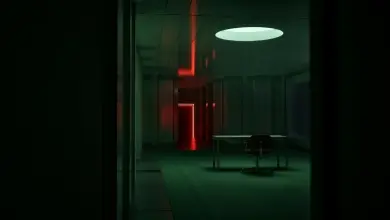
Mikel Bober-Irizar, CTO: We always prioritise the player experience, and low interaction latency is paramount to that. You can have the same interaction, and it feels so much better when characters respond fluidly, so we account for every millisecond and do a lot of work to achieve that. To achieve this, we use a customised speech recognition system, developed with NVIDIA. Depending on the game, we'll deploy a different set of models, but The Oversight Bureau uses what we call a conversation model that runs extremely fast.
AI-driven dialogue raises interesting narrative design questions. How do you maintain authorial intent and story structure when characters can respond dynamically to player input? Andrew Bowell, CEO: This is something we think about a lot. It's important to us that we give players freedom to express themselves while staying faithful to the story and gameplay progression.
All our internal tooling is focused on giving writers creative control of how characters act and respond, all the way to defining the exact phrasing of dialogue if needed. At the same time, our characters need to improvise based on how players act, and can gently nudge the player along the main storyline, allowing them to actually experience the whole game without getting stuck in an unintended rabbit hole. Ethical concerns around generative AI remain a major topic in the industry, particularly when it comes to training data and artist rights. How is Iconic approaching responsible AI usage when building these systems?
Mikel Bober-Irizar, CTO: We take care to source and license training data responsibly. At the end of the day, games are human and artistic endeavours, allowing the best artists, writers, designers and creatives to tell meaningful stories. It's important to us that the creative direction of our games is human-led and any AI-powered features are there to fulfill that vision, rather than constraining or replacing it. Related to that, how do you think about copyright and ownership when AI-generated dialogue or character interactions emerge dynamically during gameplay?